Frequently Asked Questions
The most-asked questions about us national parks.
What exactly are US national parks?
They are protected areas of land and water set aside by the federal government to preserve natural, cultural, and recreational resources for public enjoyment. The system is administered by the National Park Service, a bureau within the Department of the Interior.
How many national parks are there in the United States?
There are 63 designated national parks spread across 15 states, two territories, and the District of Columbia. The broader NPS system also includes hundreds of additional units like monuments, historic sites, and recreation areas.
Which park was the first and when was it established?
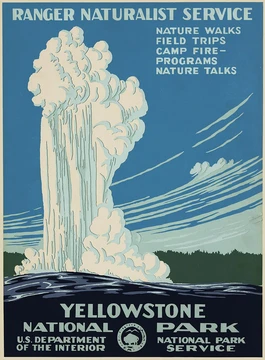
Yellowstone in Wyoming, Montana, and Idaho was designated the world's first national park in 1872. It was created largely because of the efforts of naturalist Ferdinand V. Hayden and conservation advocates who lobbied Congress to protect its geysers and wildlife.
Who runs the National Park Service?
The NPS was established by an act of Congress in 1916, and its first director was Stephen Mather, a former oil executive who championed the idea of a unified agency. Today the service is led by a Director appointed by the President and confirmed by the Senate.
Do I need to pay to enter a national park?
Most parks charge an entrance fee per vehicle or per person, though a handful of sites are free year-round. The America the Beautiful Annual Pass, available for a set price, covers entrance fees at all federal recreational lands for one year.
Which national park gets the most visitors?
Great Smoky Mountains National Park, straddling the border of Tennessee and North Carolina, consistently tops the annual visitation list with roughly 12 million visitors. Its proximity to major cities and the fact that it charges no entrance fee contribute to its popularity.
What states have the most national parks?
Alaska leads with the highest count, followed by California and Arizona, each hosting several iconic parks. The geographic spread means parks range from tundra and glaciers to deserts, rainforests, and coastal cliffs.
Can you camp in national parks?
Many parks operate developed campgrounds with reservations, while others allow dispersed backcountry camping with a permit. Rules vary widely, so checking the specific park's camping regulations before a trip is essential.
What are some must-see parks for a first-time visitor?
Grand Canyon for its sheer scale, Yellowstone for geothermal features, and Yosemite for its granite cliffs and waterfalls are frequently recommended starting points. Each offers a very different landscape, so choosing based on the type of scenery you prefer is a good strategy.
What makes the NPS different from a state park system?
National parks are federal lands managed under a mandate to preserve resources in an unimpaired condition for future generations, while state parks typically emphasize recreation and are governed by individual state agencies. This distinction affects everything from land-use rules to funding sources.