Grand Canyon
A national park featuring the Grand Canyon gorge of the Colorado River.

via Wikipedia: Grand Canyon National Park · see source
Grand Canyon National Park is a national park of the United States located in northwestern Arizona, the 15th site to have been named as a national park. Its central feature is the Grand Canyon, a gorge of the Colorado River, which is often considered one of the Wonders of the World. The park covers 1,217,262 acres of unincorporated area in Coconino and Mohave counties and received more than 4.9 million recreational visitors in 2024. The Grand Canyon was designated a World Heritage Site by UNESCO in 1979. The park celebrated its 100th anniversary on February 26, 2019.
- Visitors (2024)
- more than 4.9 million recreational visitors
Verified Timeline
Lore & Background
The Grand Canyon became well known to Americans in the 1880s after railroads were built and pioneers developed infrastructure and early tourism. In 1903, President Theodore Roosevelt visited and said, 'The Grand Canyon fills me with awe. It is beyond comparison—beyond description; absolutely unparalleled throughout the wide world .... Let this great wonder of nature remain as it now is.' The first bill to establish the park was introduced in 1882 by Senator Benjamin Harrison, but it was not until February 26, 1919, that President Woodrow Wilson signed the Grand Canyon National Park Act. The park celebrated its 100th anniversary on February 26, 2019.
Reader's Guide
Grand Canyon National Park is significant as an early success of the conservation movement. Its national park status may have helped thwart proposals to dam the Colorado River within its boundaries. The park's primary public areas are the South Rim, which accounts for 90% of park visitation, and the North Rim. The park has a history of aircraft overflight noise concerns, as noted in the 1987 National Parks Overflights Act. On July 9, 2025, the Dragon Bravo Fire led to multiple structures on the North Rim being destroyed, including the Grand Canyon Lodge. The park's legal history includes designations as a forest reserve (1893), national monument (1908), and enlargement in 1975.
Did You Know?
- The Grand Canyon was the 15th site to have been named as a national park in the United States.
- President Theodore Roosevelt visited in 1903 and said the canyon was 'absolutely unparalleled throughout the wide world.'
- The first bill to establish Grand Canyon National Park was introduced in 1882 by then-Senator Benjamin Harrison.
- The park was designated a World Heritage Site by UNESCO in 1979.
- On July 9, 2025, the Dragon Bravo Fire destroyed multiple structures on the North Rim, including the Grand Canyon Lodge.
The Long Road to Protection
The Grand Canyon's path to national park status was anything but swift. As early as 1882, Senator Benjamin Harrison introduced legislation that would have made the gorge the third national park in the country, trailing only Yellowstone and Mackinac. That bill failed, and Harrison tried again in 1883 and 1886 without success. After winning the presidency, he at least secured a forest reserve designation in 1893. Theodore Roosevelt, who visited in 1903 and was struck by the site's incomparable grandeur, pushed further: he created a game preserve in 1906 and a national monument in 1908. Yet Senate bills in 1910 and 1911 still fell short. It was not until President Woodrow Wilson signed the Grand Canyon National Park Act on February 26, 1919, that the vision finally became law. The National Park Service, founded three years earlier, took over administration, marking an early triumph for the broader conservation movement.
Geological Majesty and Scale
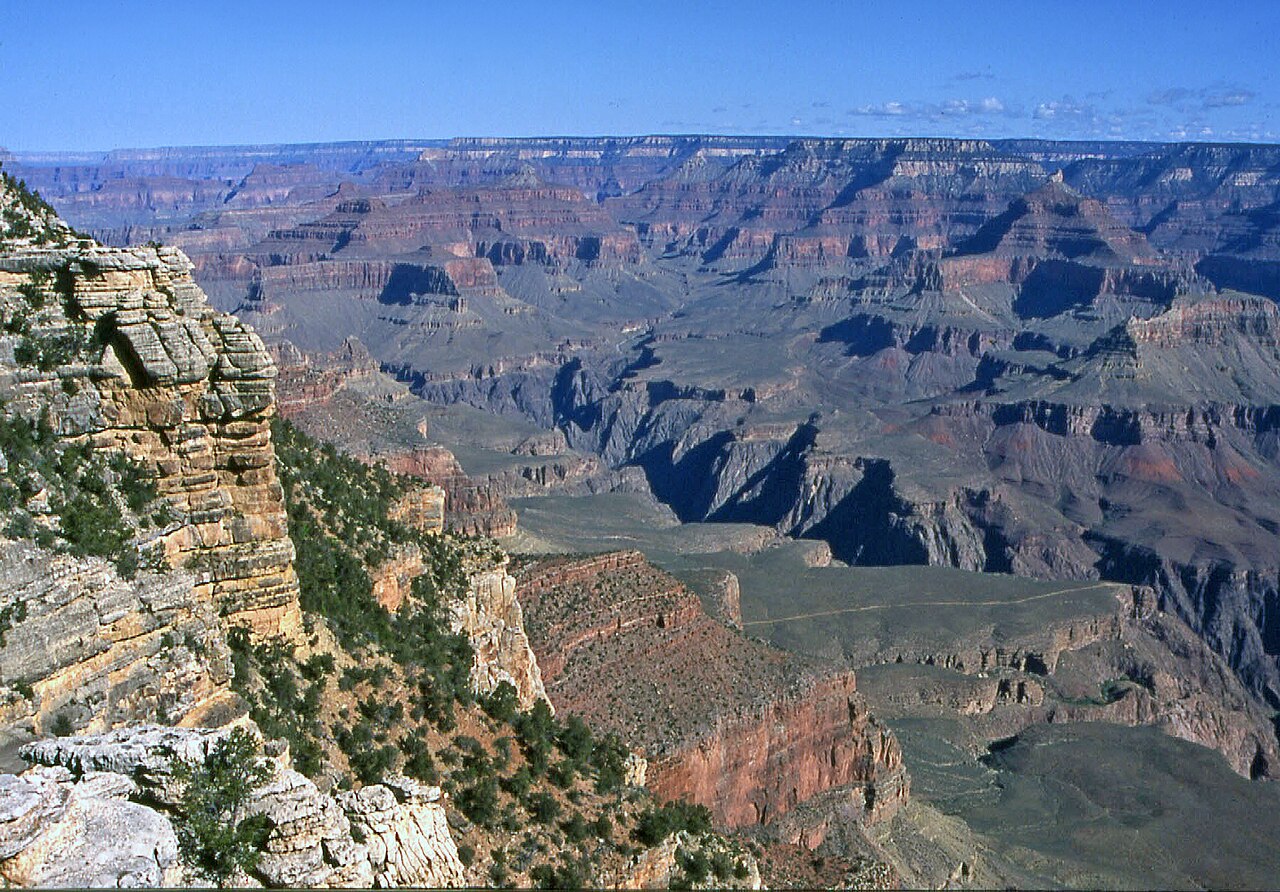
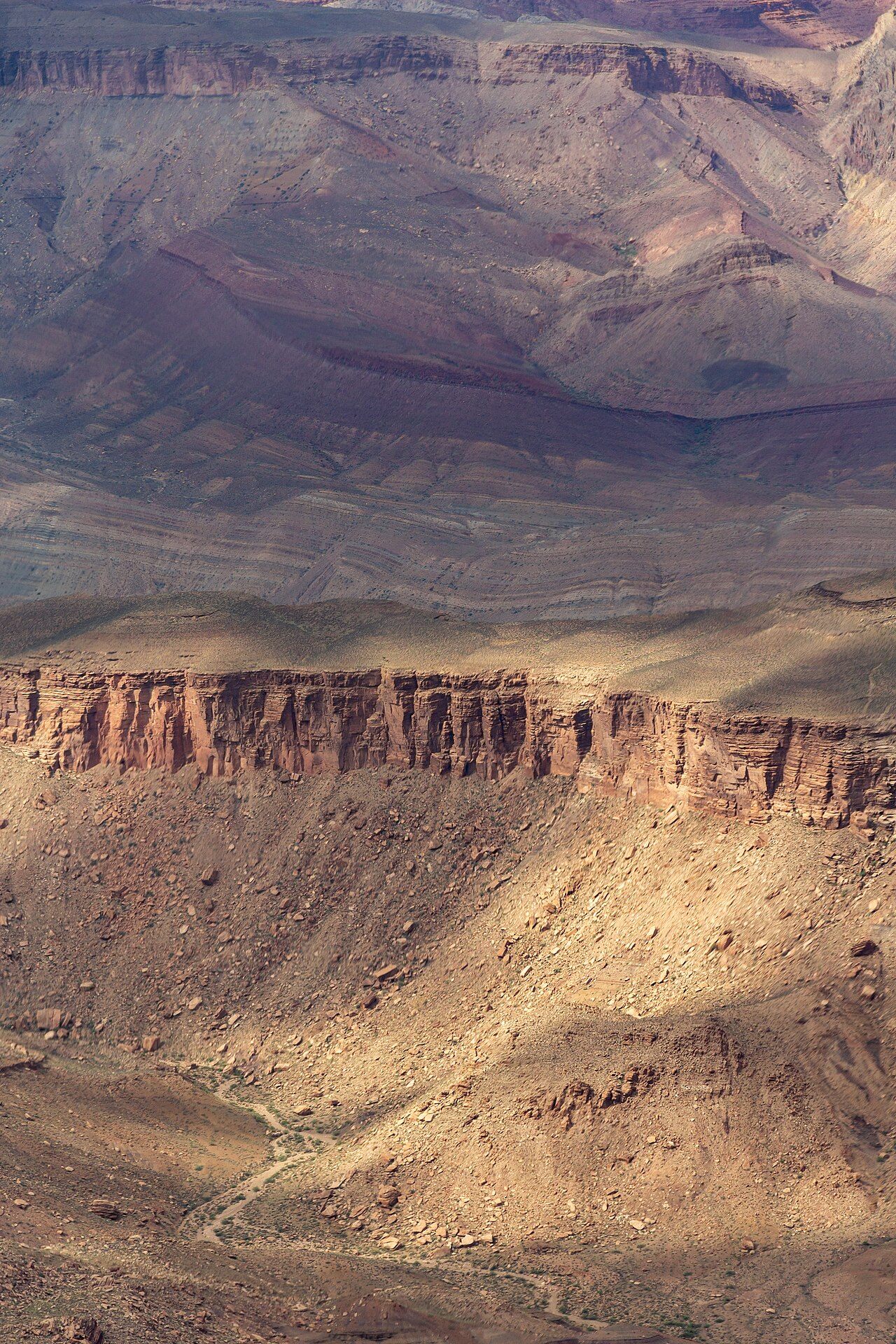
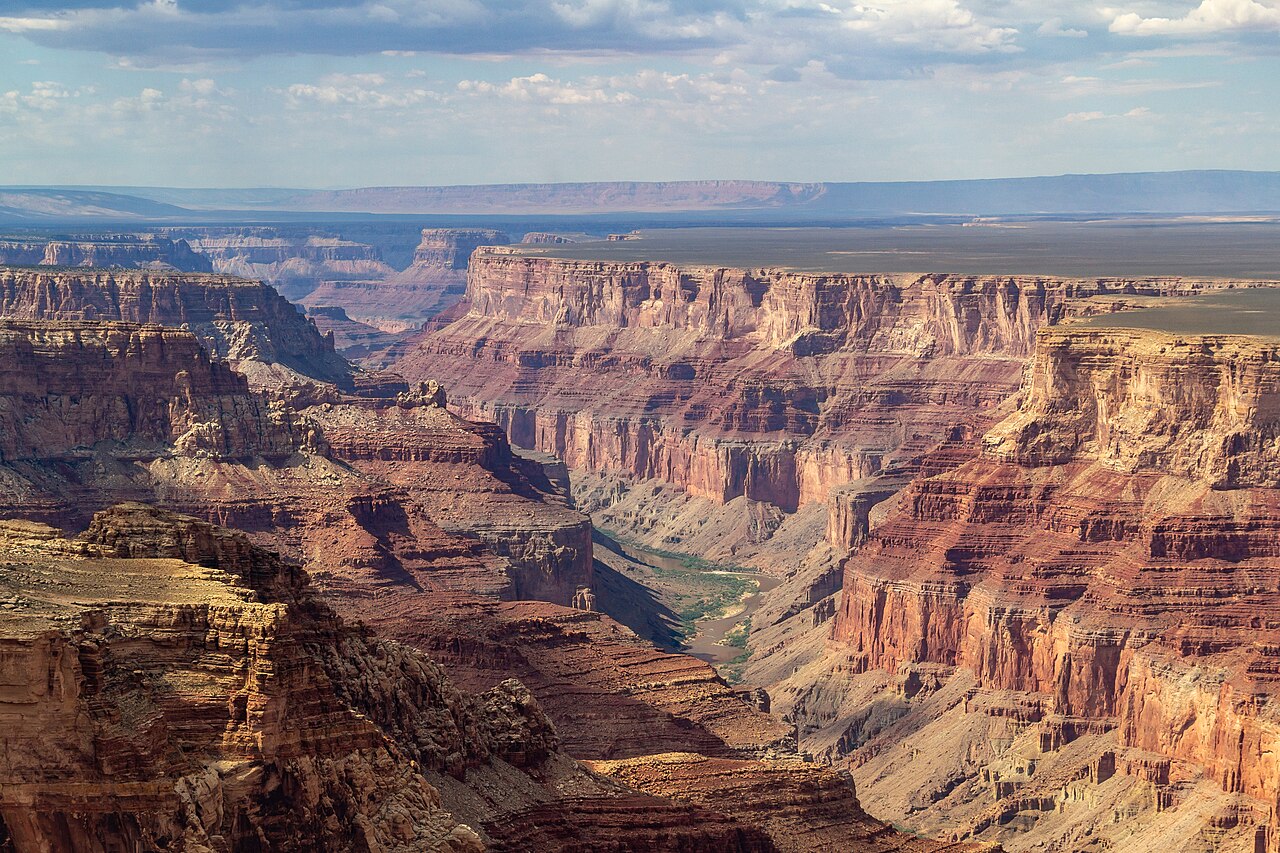
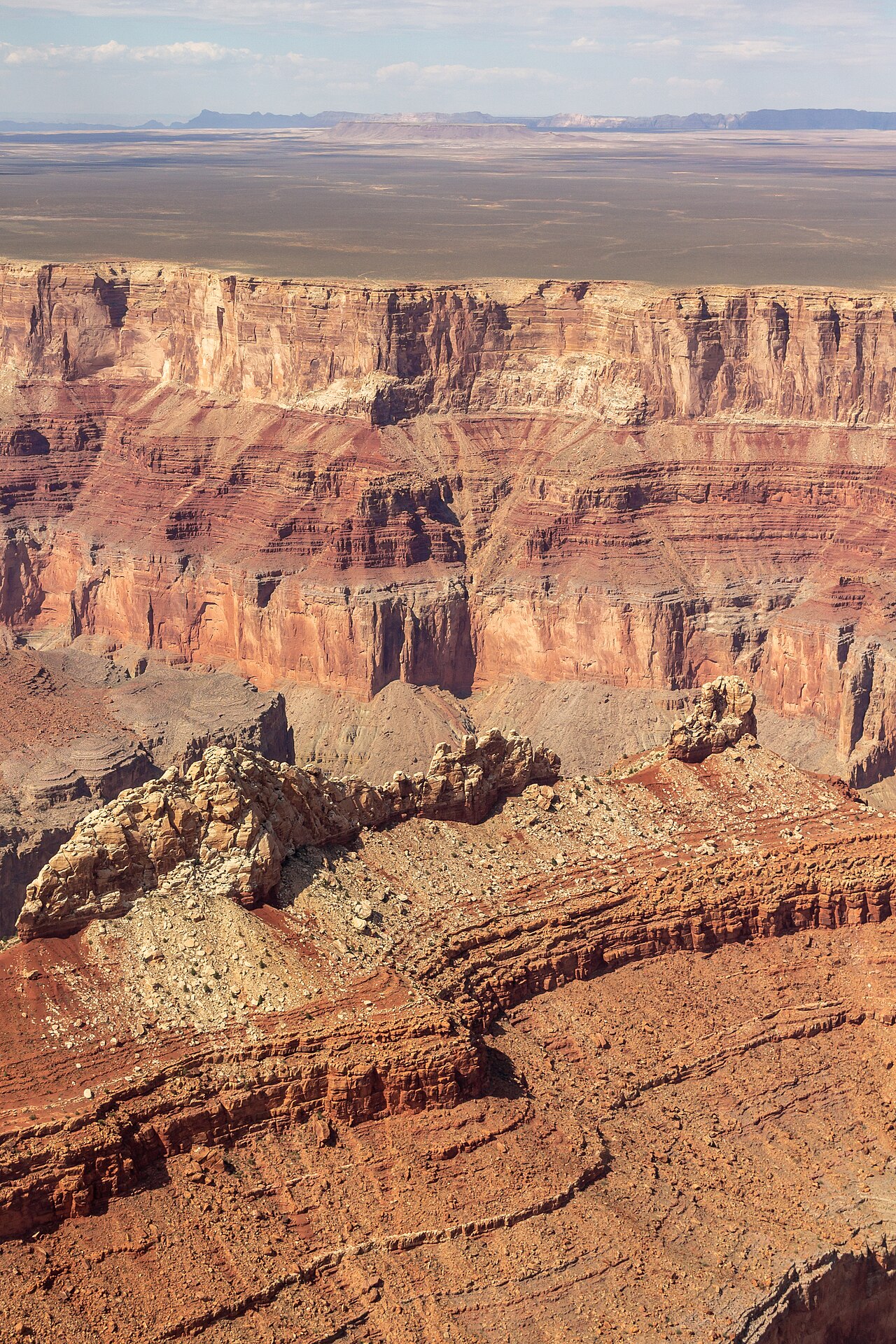
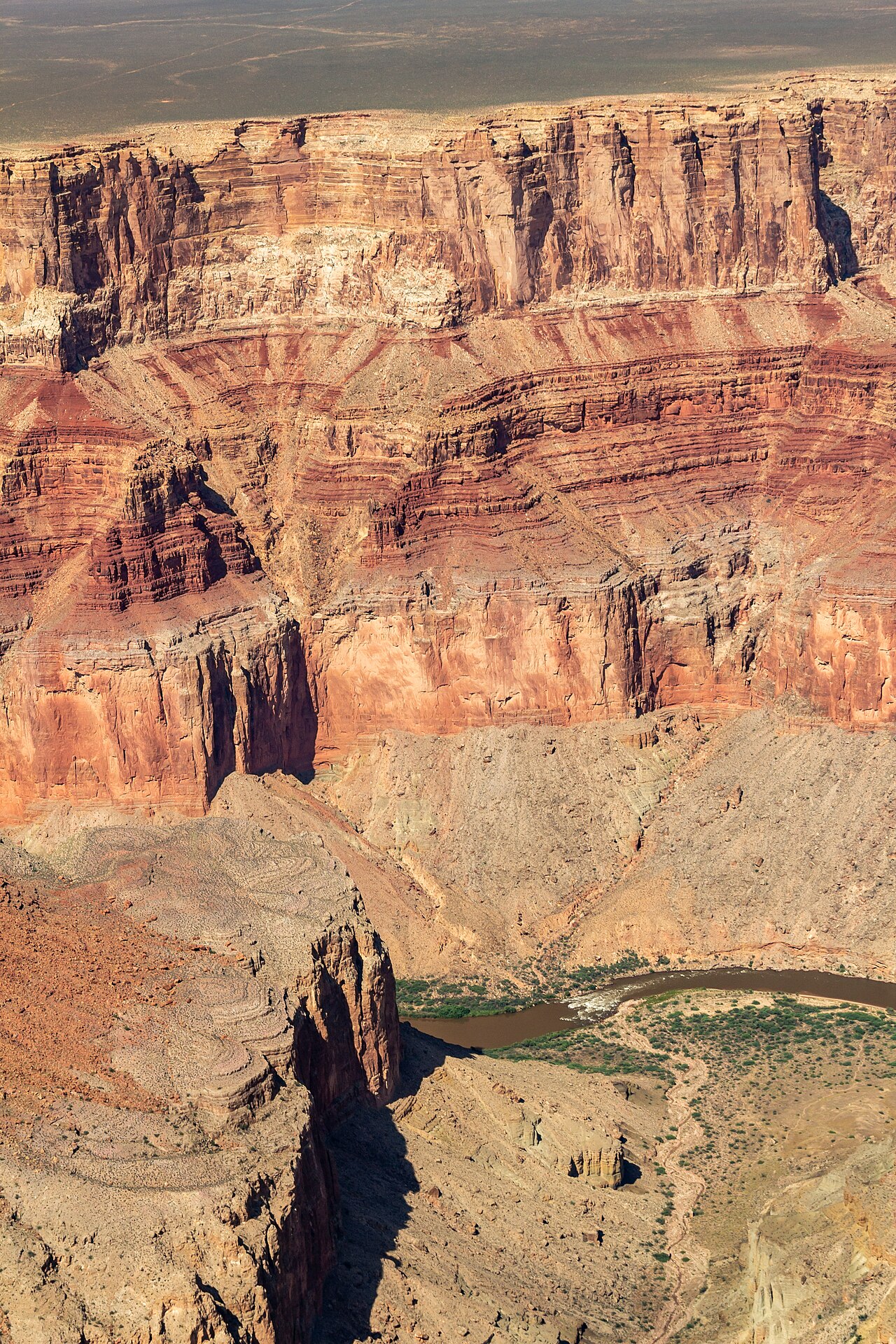
The canyon's power lies in the marriage of immense scale and deep time. Carved by the Colorado River and its tributaries after the uplift of the Colorado Plateau, the gorge exposes layered rock strata stretching back to Precambrian times. The park encompasses 1,217,262 acres of unincorporated area across Coconino and Mohave counties in northwestern Arizona, making it the 15th site to receive national park designation. The primary public-facing areas—the South Rim and North Rim—offer accessible vantage points, but the vast remainder of the park is extremely rugged and remote. The combination of size, depth, and the vivid palette of exposed geological layers has led many to regard the Grand Canyon as one of the Wonders of the World. In 1979, UNESCO formalized that recognition by declaring the park a World Heritage Site.
Stewardship and Ongoing Challenges
Administering such a vast and popular landscape has required generations of dedicated leadership. From William Harrison Peters, who served as acting superintendent from August 1919 to September 1920, to Ed Keable, who has held the role since April 2020, the park has cycled through numerous administrators. The park's boundaries have also evolved: in 1975, Congress folded the western Grand Canyon National Monument, proclaimed in 1932, and Marble Canyon National Monument, established in 1969, into the main park, extending the protected corridor along the Colorado River to Lees Ferry. Threats have persisted, however. The 1987 National Parks Overflights Act acknowledged that aircraft noise was causing a significant adverse effect on the natural quiet and experience of the park and raised serious concerns regarding public safety. More recently, the Dragon Bravo Fire of July 2025 destroyed multiple structures on the North Rim, including the Grand Canyon Lodge, burning for more than a week before firefighters started more aggressively tackling the fire.
A National Icon in the Public Imagination
Few places in America carry the same emotional weight as the Grand Canyon. Theodore Roosevelt's 1903 declaration—that the gorge was 'beyond comparison—beyond description; absolutely unparalleled throughout the wide world' and should be preserved untouched for generations to come—captured a sentiment that resonated far beyond politics. The park's cultural footprint continues to grow: in 2010, it received its own commemorative quarter under the America the Beautiful Quarters program, and in February 2019 the nation marked the centennial of its 1919 designation. The numbers underscore its pull; more than 4.9 million recreational visitors passed through in 2024 alone. Its national park status also served a protective function, helping to block proposals that would have dammed the Colorado River within the canyon's boundaries, though the Glen Canyon Dam was eventually built upriver. For many Americans, the Grand Canyon remains the one great sight which every American should see.
Common Misconceptions (Editorial)
Some people mistakenly believe the Grand Canyon was the first national park in the United States. In fact, it was the 15th site to be named a national park. Another common misconception is that the park was established soon after it became well known in the 1880s; however, the first bill was introduced in 1882, and the park was not created until 1919, when President Woodrow Wilson signed the Grand Canyon National Park Act.
Why It Matters (Editorial)
The Grand Canyon endures because it embodies a rare intersection of natural majesty and human history—a place that inspired awe in Theodore Roosevelt and continues to draw millions of visitors each year. Its designation as both a U.S. national park and a UNESCO World Heritage Site underscores its global significance, reminding us that some wonders must be preserved not only for their beauty but for their power to humble and unite us.
Gallery
Frequently Asked Questions
Who is Grand Canyon?
Grand Canyon National Park is a protected wilderness in northwestern Arizona whose centerpiece is the colossal gorge carved by the Colorado River. It was the seventeenth location officially set aside as a U.S. national park.
What are Grand Canyon's powers/role?
The park stretches across roughly 1.2 million acres in Coconino and Mohave counties and is widely celebrated as one of the natural Wonders of the World. Its sheer scale and exposed rock layers make it a global icon of geological grandeur.
Where does Grand Canyon live?
The park occupies the northwestern corner of Arizona, spanning portions of both Coconino and Mohave counties. The Colorado River gorge runs through its heart, defining the landscape visitors come to see.
Why is Grand Canyon important?
The canyon's stratified walls reveal nearly two billion years of Earth's geological record, offering a rare open-air history of the planet. Its national-park status safeguards that record and the surrounding ecosystem for future generations.
How does Grand Canyon's story end?
Grand Canyon has no final chapter; it remains an active, living landscape where the Colorado River continues to erode its walls. In 2023 it welcomed 4.73 million recreational visitors, and it keeps drawing new crowds every year.
More in US National Parks 1-22
Spotted an error? Know more?
This is a living reference — every entry is fact-audited, and reader corrections feed straight into our audit queue. Suggest an edit · See this site's audit record