Grand Teton
Tallest peak in the Teton Range, rising above Jackson Hole.

via Wikipedia: Grand Teton National Park · see source
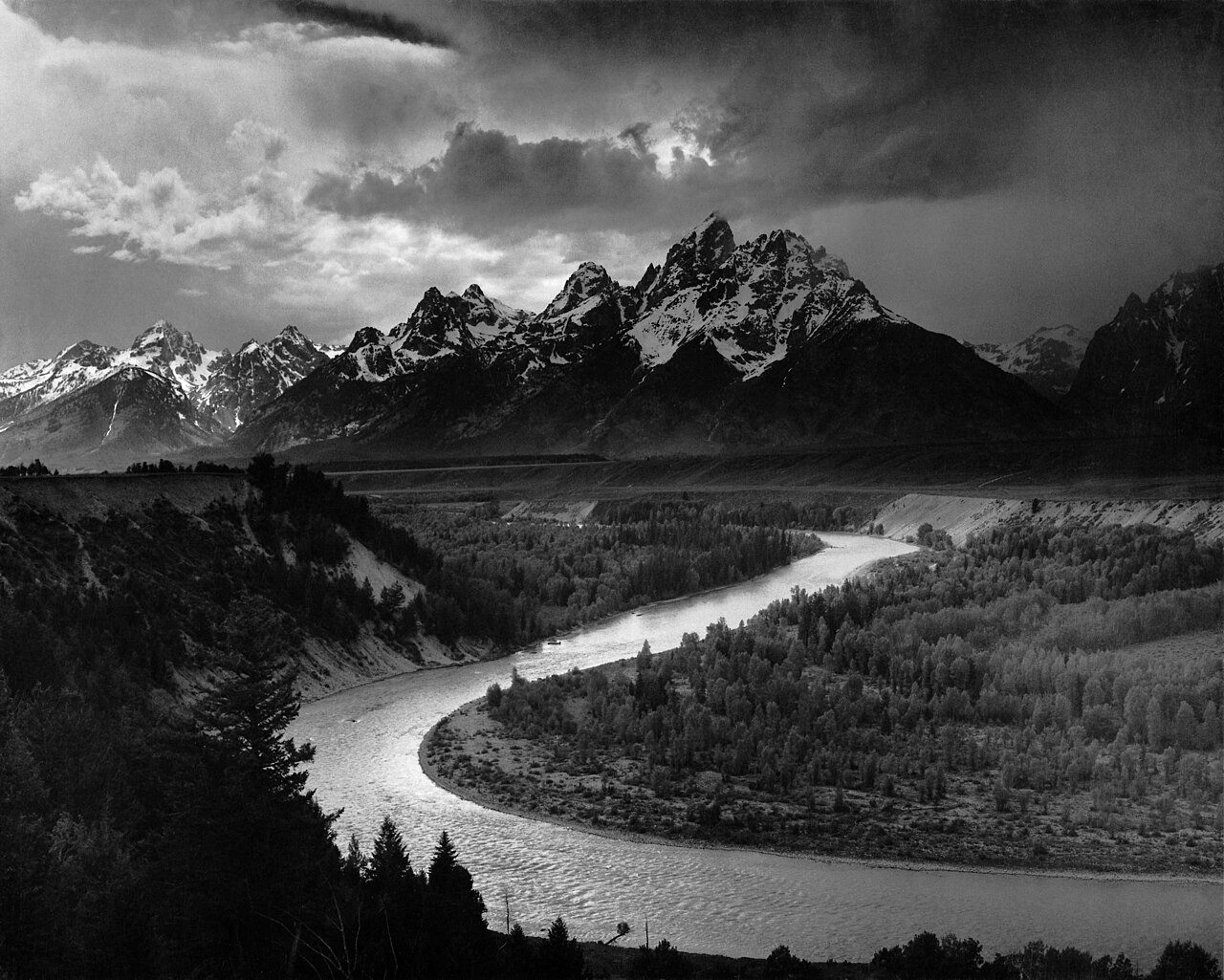
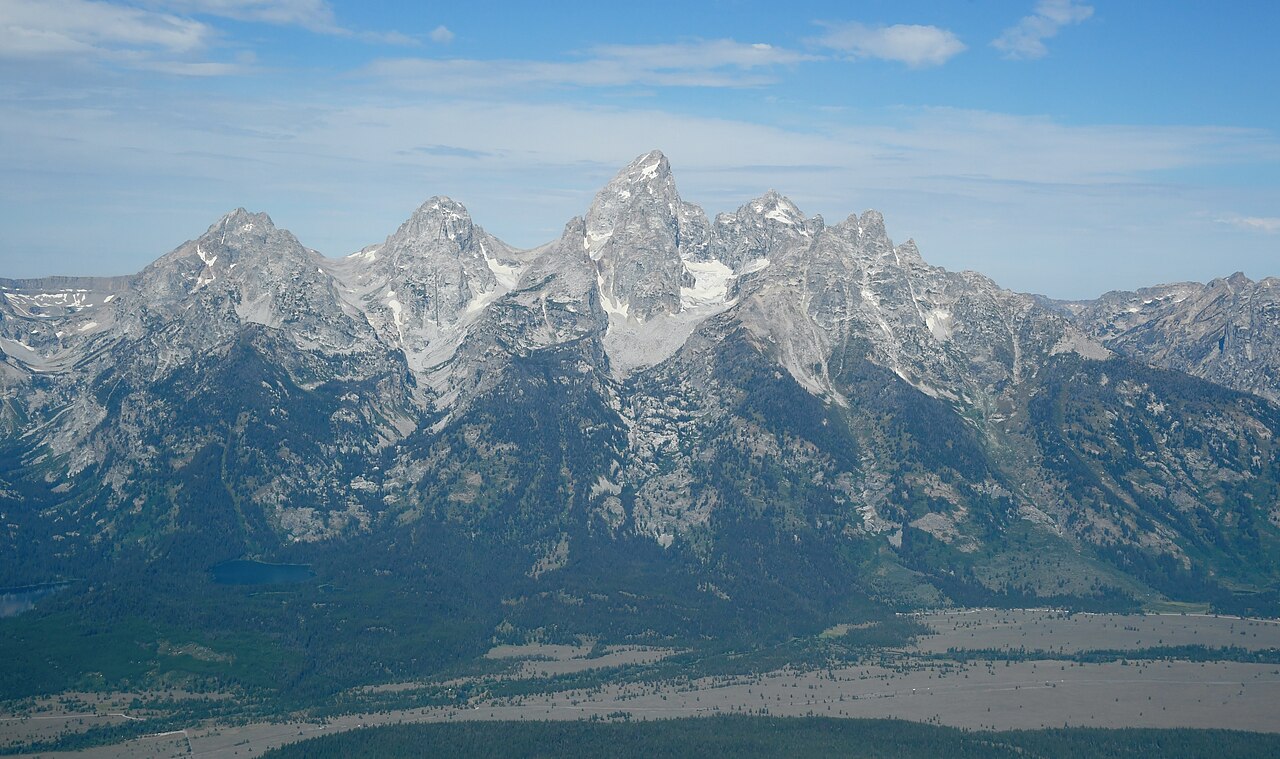
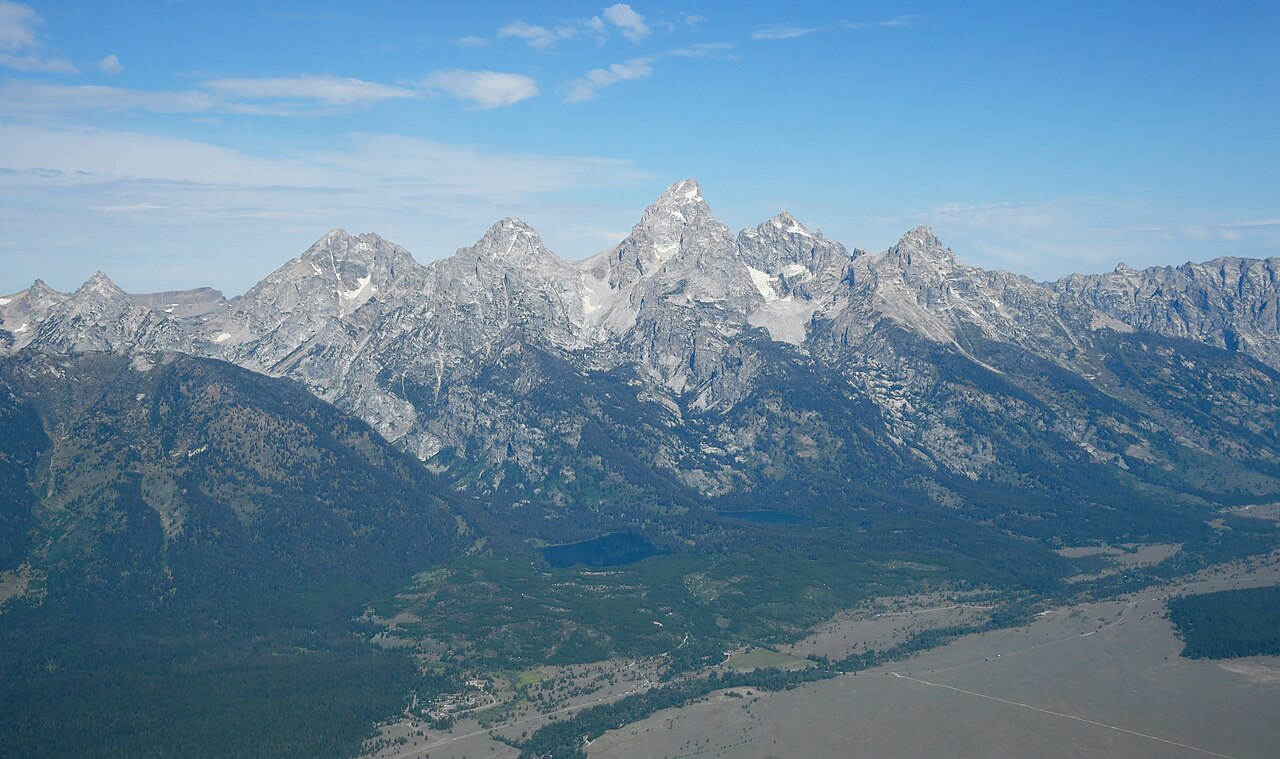
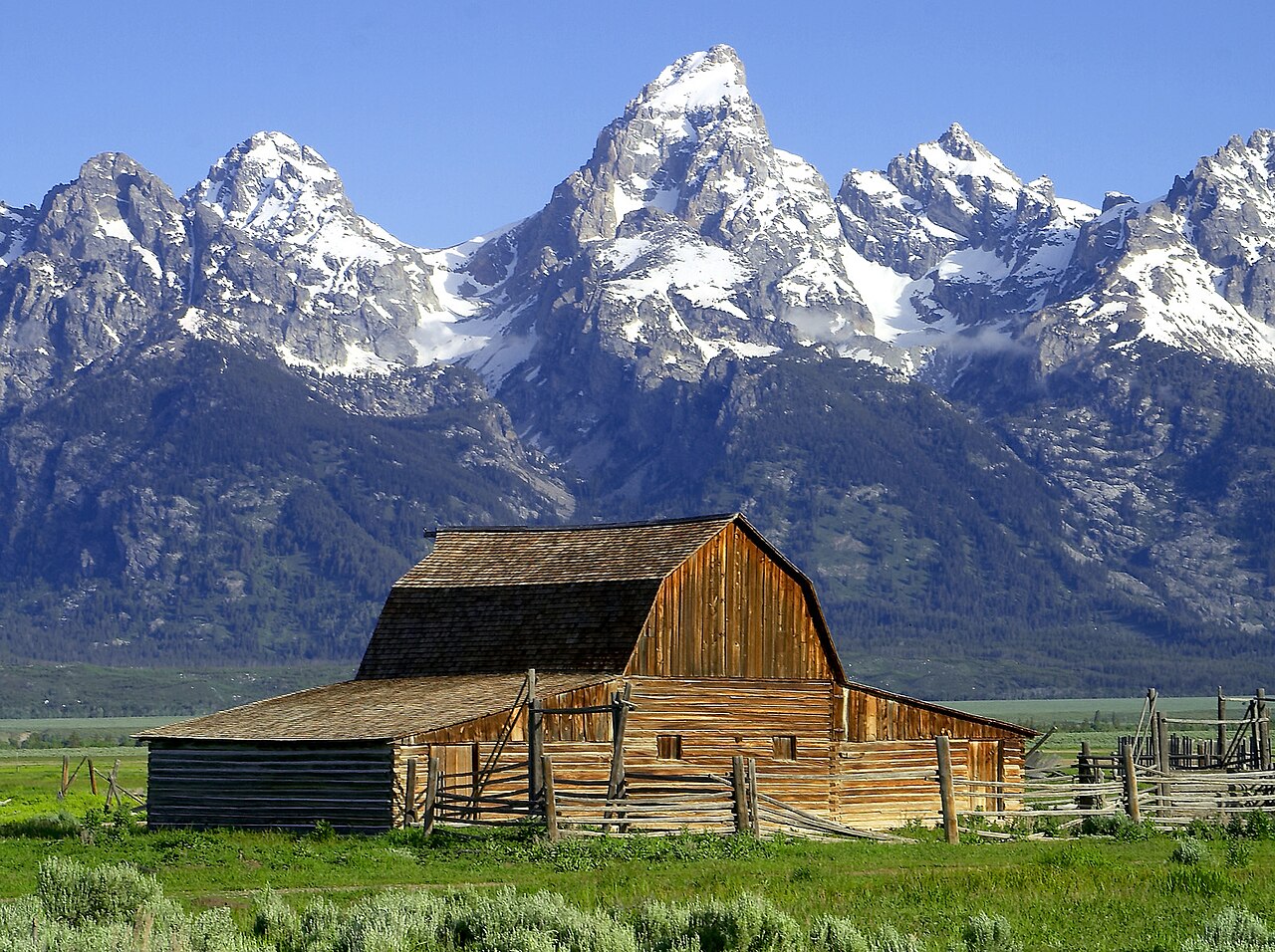
Grand Teton is the tallest mountain in the Teton Range, located in Grand Teton National Park in northwestern Wyoming. At 13,775 feet (4,199 m), it rises more than 7,000 feet (2,100 m) above the valley of Jackson Hole. The mountain gives its name to the national park, which protects the major peaks of the range and is part of the Greater Yellowstone Ecosystem.
- elevation
- 13,775 feet (4,199 m)
- location
- Teton Range, northwestern Wyoming, United States
- type
- Mountain peak
- part_of
- Grand Teton National Park
- named_by
- French-speaking Iroquois or French Canadian trappers (likely early 19th century)
- oldest_rocks_dated
- nearly 2.7 billion years
Verified Timeline
Lore & Background
Grand Teton is the tallest mountain in the Teton Range, a 40-mile-long (64 km) range in northwestern Wyoming. The mountain's name derives from French trappers who called the three most prominent peaks 'les trois tétons' (the three breasts), later shortened to Tetons. Earlier parties had referred to them as the Pilot Knobs. The first European American to see the Teton Range was John Colter, a former member of the Lewis and Clark Expedition, who passed through Jackson Hole during the winter of 1807/08. Colter is widely considered the first mountain man in the region, drawn by the profitable fur trade. The mountain and surrounding area were later part of the trapping grounds overseen by David Edward Jackson between 1826 and 1830. The valley east of the range was named Jackson's Hole (later Jackson Hole) for him. On the upper slopes of Grand Teton, stone enclosures—including one known simply as The Enclosure—are thought to have been used by the Shoshone people during vision quests. The Shoshone, who called themselves Tukudika or 'Sheep-eaters,' had a close spiritual relationship with the Teton Range before being relocated to the Wind River Indian Reservation in 1868.
Reader's Guide
Grand Teton is the centerpiece of Grand Teton National Park, established in 1929 to protect the Teton Range's major peaks. The park was later expanded in 1950 when most of the Jackson Hole National Monument was added. The mountain and its surroundings are part of the almost 22-million-acre Greater Yellowstone Ecosystem, one of the world's largest intact mid-latitude temperate ecosystems. The park is a popular destination for mountaineering, hiking, fishing, and recreation, with more than 200 miles of hiking trails and world-renowned trout fishing. The rocks in the park include some of the oldest found in any American national park, dated at nearly 2.7 billion years. A dozen small glaciers persist at higher elevations near the highest peaks, though they are in recession. The human history of the region dates back at least 11,000 years, with Paleo-Indian hunter-gatherers using the area seasonally. The mountain's name and the park's history reflect the interplay of Native American presence, early fur trade exploration, and later conservation efforts led by figures such as John D. Rockefeller Jr.
Did You Know?
- Grand Teton rises more than 7,000 feet (2,100 m) above Jackson Hole.
- The park contains some of the oldest rocks found in any American national park, dated at nearly 2.7 billion years.
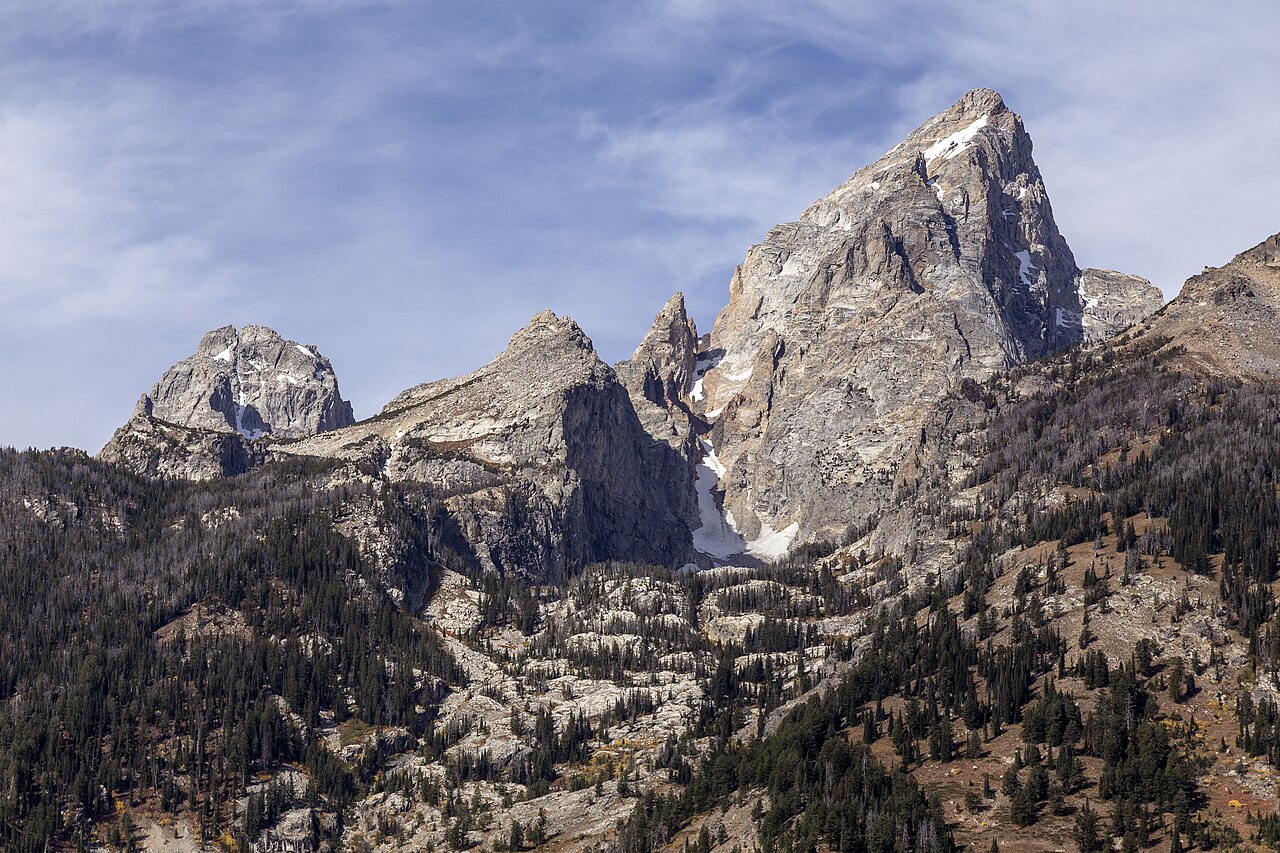
- A dozen small glaciers persist at higher elevations near the highest peaks, though they are in recession.
- The Shoshone people, known as Tukudika or 'Sheep-eaters,' used stone enclosures on Grand Teton's upper slopes for vision quests.
- The park is one of the few places to catch Snake River fine-spotted cutthroat trout.
Ancient Stone and Living Wilderness
Grand Teton National Park holds some of the oldest rock formations found in any American national park, with formations dating back nearly 2.7 billion years. This geological depth sits alongside a landscape still shaped by ice: a dozen small glaciers cling to the higher elevations near the range's tallest summits, even as they slowly recede. The park's crown jewel, Grand Teton itself, soars to 13,775 feet and rises more than 7,000 feet above the Jackson Hole valley floor, creating a dramatic vertical contrast that has defined the region's character for millennia. Beneath and around these peaks, the ecosystem remains remarkably intact. The same species of plants and animals that thrived in prehistoric times still populate the park today. Over 1,000 species of vascular plants, dozens of mammal species, roughly 300 bird species, more than a dozen fish species, and several reptile and amphibian species call this 310,000-acre landscape home. Yet the park is not immune to change. Human-induced pressures have prompted conservation efforts to shield native fish populations and the increasingly vulnerable whitebark pine, reminding visitors that even a pristine-seeming wilderness requires active stewardship.
Eleven Thousand Years of Human Presence
Long before any European set foot in the region, human beings had been moving through the Jackson Hole valley for over 11,000 years. Finds along the shores of Jackson Lake—fire pits, stone tools, and what appear to be fishing weights—reveal a migratory hunter-gatherer culture adapted to a colder, more alpine climate than today. Among the oldest artifacts are tools linked to the Clovis culture, dating back at least 11,500 years. Chemical analysis of obsidian spear points shows the material was sourced from deposits near Teton Pass, south of the park, suggesting the primary seasonal migration route came from that direction. When European colonizers arrived in the early 1800s, they encountered the eastern Shoshone, who called themselves the Tukudika, or "Sheep-eaters," reflecting the central role of Bighorn Sheep in their diet. The mountain-dwelling Shoshone maintained a deep spiritual bond with the Teton Range. Stone enclosures on several peaks, including one on the upper slopes of Grand Teton known simply as The Enclosure, are believed to have served as vision quest sites. After the Wind River Indian Reservation was established in 1868 on land chosen by Chief Washakie, the local Shoshone were relocated there, roughly 100 miles to the southeast.
A Contested Path to Preservation
The story of how Grand Teton became a national park is one of decades of political struggle. Preservation efforts began in the late 19th century, but it was not until 1929 that the park was formally established, protecting the major peaks of the Teton Range. The valley below, Jackson Hole, remained outside the park's boundaries for years. In the 1930s, conservationist John D. Rockefeller Jr. began purchasing land in Jackson Hole with the goal of adding it to the park. The effort met fierce resistance. Public opinion in the region was largely opposed, and Congress repeatedly introduced bills to repeal the protective measures. Against this tide of opposition, much of Jackson Hole was set aside as Jackson Hole National Monument in 1943. The monument proved short-lived: it was abolished in 1950, and most of its land was folded into Grand Teton National Park. Today, the park sits just 10 miles south of Yellowstone National Park, connected to it by the John D. Rockefeller Jr. Memorial Parkway. Together with surrounding national forests, these three protected areas form the Greater Yellowstone Ecosystem, spanning nearly 22 million acres and standing as one of the world's largest intact mid-latitude temperate ecosystems.
The Park as Playground and Sanctuary
Grand Teton National Park draws visitors from around the world for its outdoor recreation opportunities. More than 1,000 drive-in campsites and over 200 miles of hiking trails provide access to both frontcountry convenience and backcountry solitude. The park is particularly renowned for its trout fishing, offering one of the few remaining places where anglers can catch Snake River fine-spotted cutthroat trout. The 15-mile-long Jackson Lake and the upper main stem of the Snake River, along with numerous streams, create an aquatic network that supports more than a dozen fish species. Beyond fishing and hiking, the park is a destination for mountaineering, with the Teton Range's dramatic peaks rising sharply from the valley floor. The park's infrastructure supports this diverse visitor base through several National Park Service–run visitor centers as well as privately operated concessions including motels, lodges, gas stations, and marinas. This blend of wild landscape and accessible amenities makes the park a unique intersection of adventure and comfort in the northwestern Wyoming wilderness.
Common Misconceptions (Editorial)
Some people assume Grand Teton is named for its physical resemblance to a female body part, but the name actually comes from French trappers who called the three most prominent peaks "les trois tétons" (the three breasts), later shortened to Tetons. Others may think the first European American to see the range was part of a major government expedition, when in fact it was John Colter, a former member of the Lewis and Clark Expedition, who passed through Jackson Hole in 1807/08. Additionally, it is sometimes believed that the mountain’s stone enclosures were built by European settlers, but they were used by the Shoshone people—known as Tukudika or “Sheep-eaters”—for vision quests.
Why It Matters (Editorial)
Grand Teton endures as a symbol of wild, uncompromising landscape—a peak that rises over a mile above the valley floor, reminding us of the ancient forces that shaped the American West. Its name, rooted in the rough humor of French trappers, and its slopes, marked by Shoshone spiritual practices, tie human stories to a geologic history reaching back nearly 2.7 billion years. This mountain matters because it preserves not just a view, but a layered record of exploration, indigenous culture, and natural wonder in the heart of the Greater Yellowstone Ecosystem.
Gallery
Frequently Asked Questions
Who is Grand Teton?
Grand Teton is the highest summit in the Teton Range, standing at 13,775 feet in northwestern Wyoming. It lends its name to the national park that guards the surrounding peaks and sits within the Greater Yellowstone Ecosystem.
What are Grand Teton's powers/role?
The peak soars more than 7,000 feet above the Jackson Hole valley floor, creating a skyline that instantly defines the region. It anchors the park's identity and draws climbers, hikers, and wildlife watchers from around the world.
How does Grand Teton's story end?
Geologically, the story is still being written — the range's oldest rock dates to nearly 2.7 billion years ago, and tectonic activity continues to reshape the landscape. For the present, the park remains federally protected, keeping the peaks intact for generations to come.
Why is Grand Teton important?
It is the namesake of a national park that safeguards the Teton Range's major summits and their surrounding habitats. Because the park is part of the Greater Yellowstone Ecosystem, it links to one of the largest intact wilderness networks on the continent.
What's Grand Teton's origin story?
The name was most likely coined by French-speaking Iroquois or French Canadian trappers in the early 1800s. The mountain itself is a product of ancient geological forces, with some of its rock predating most complex life on Earth by billions of years.
More in US National Parks 1-22
Spotted an error? Know more?
This is a living reference — every entry is fact-audited, and reader corrections feed straight into our audit queue. Suggest an edit · See this site's audit record