Zion
National park at the junction of three geographic provinces.

Pierre André Leclercq · CC BY-SA 4.0
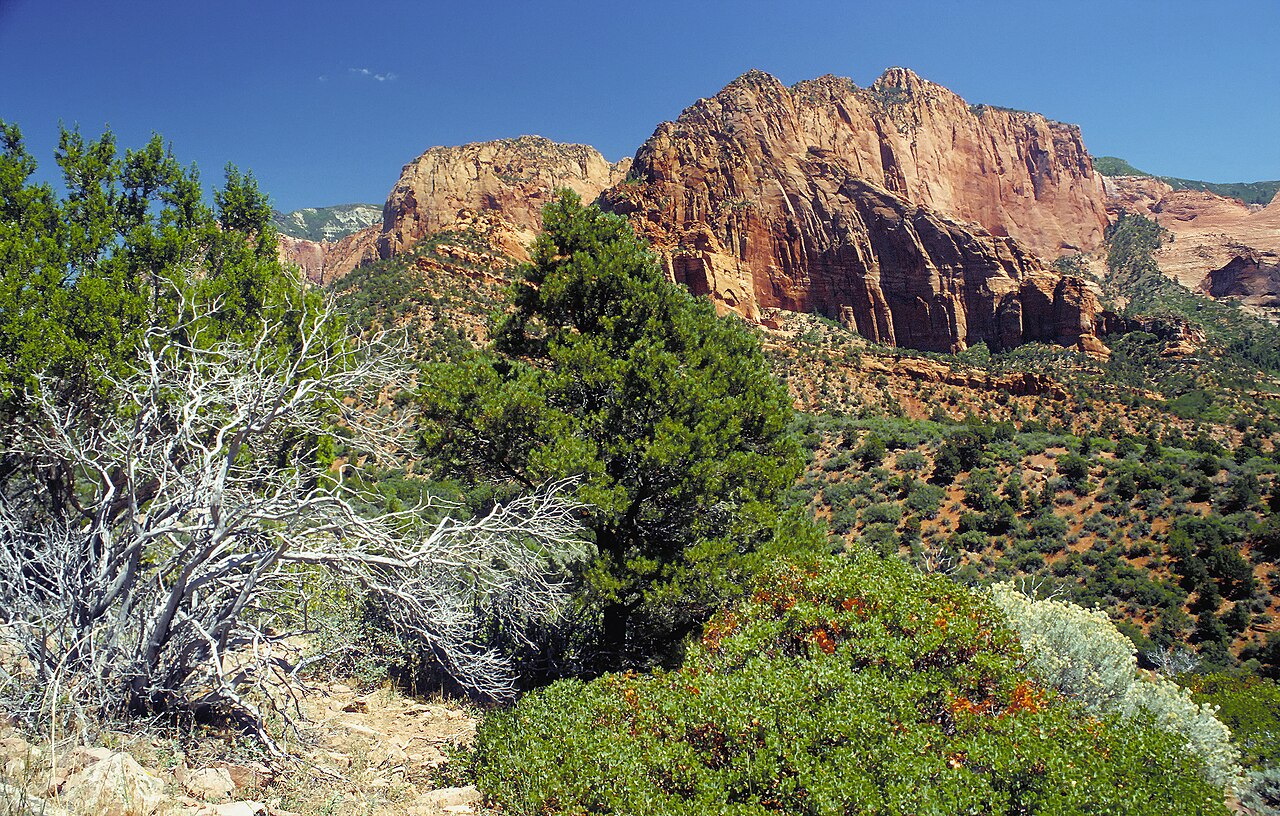
Zion National Park is a national park of the United States located in southwestern Utah near the town of Springdale. It is situated at the junction of the Colorado Plateau, Great Basin, and Mojave Desert regions, giving it a unique geography and diverse life zones.
Lore & Background
Human habitation of the area began about 8,000 years ago with small family groups of Native Americans, including the semi-nomadic Basketmaker Ancestral Puebloans (c. Later, the Virgin Anasazi culture (c. Mather proposed enlarging the monument and changing its name to Zion National Monument, a term used by Mormons. The name change was intended to appeal to an ethnocentric audience, as Spanish and Indian names were thought to deter visitors.
Reader's Guide
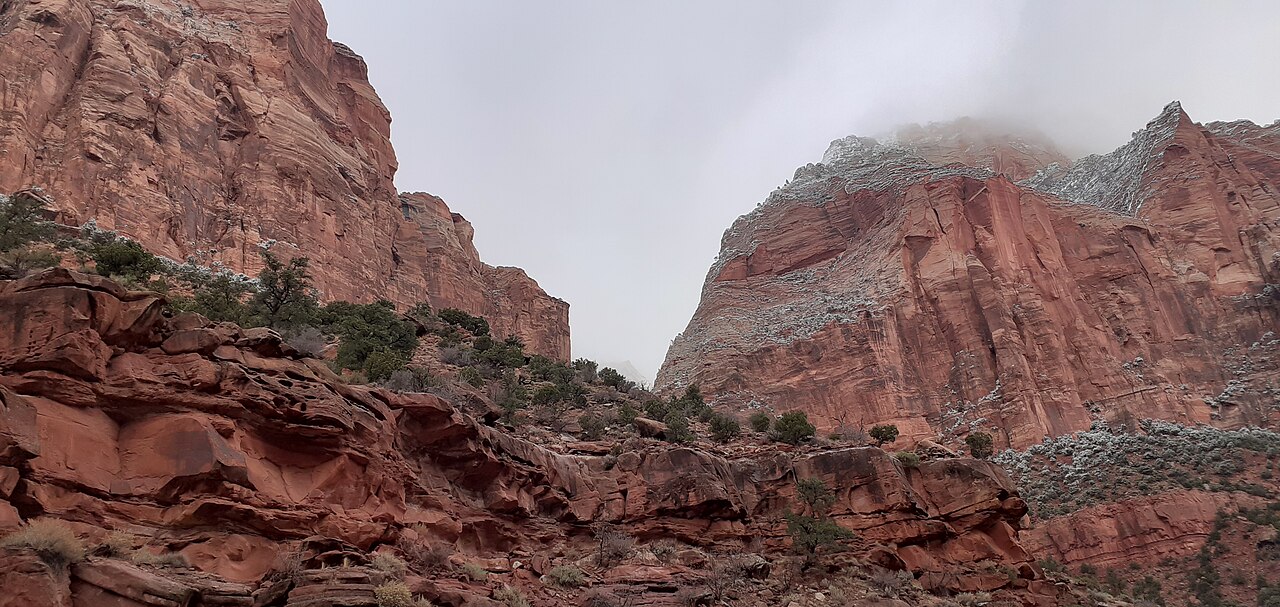
Zion National Park preserves dramatic geology formed by erosion of Navajo Sandstone at the margin of the Colorado Plateau. Its purpose includes safeguarding wilderness character, wild and scenic river values, protecting evidence of human history, and providing for scientific research and public enjoyment. The Virgin River's North Fork, with one of the steepest stream gradients in North America, flows through Zion Canyon. Its climate is cold semi-arid (BSk), with hot summers and mild winters. The park's significance lies in its unique intersection of three geographic provinces, its rich human history spanning 8,000 years, and its role as a protected area for scientific study and recreation.
Geography & Geology
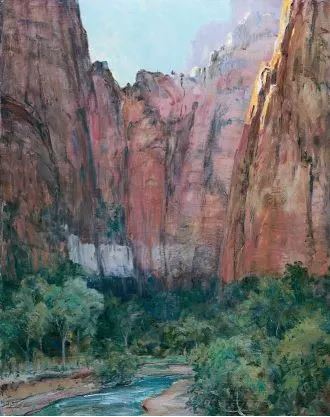
Zion National Park occupies a remarkable position in southwestern Utah, sitting precisely where three major North American geographic provinces converge: the Colorado Plateau, the Great Basin, and the Mojave Desert. That river carries one of the steepest gradients in all of North America, dropping 50 to 80 feet per mile.
Biodiversity Across Four Life Zones
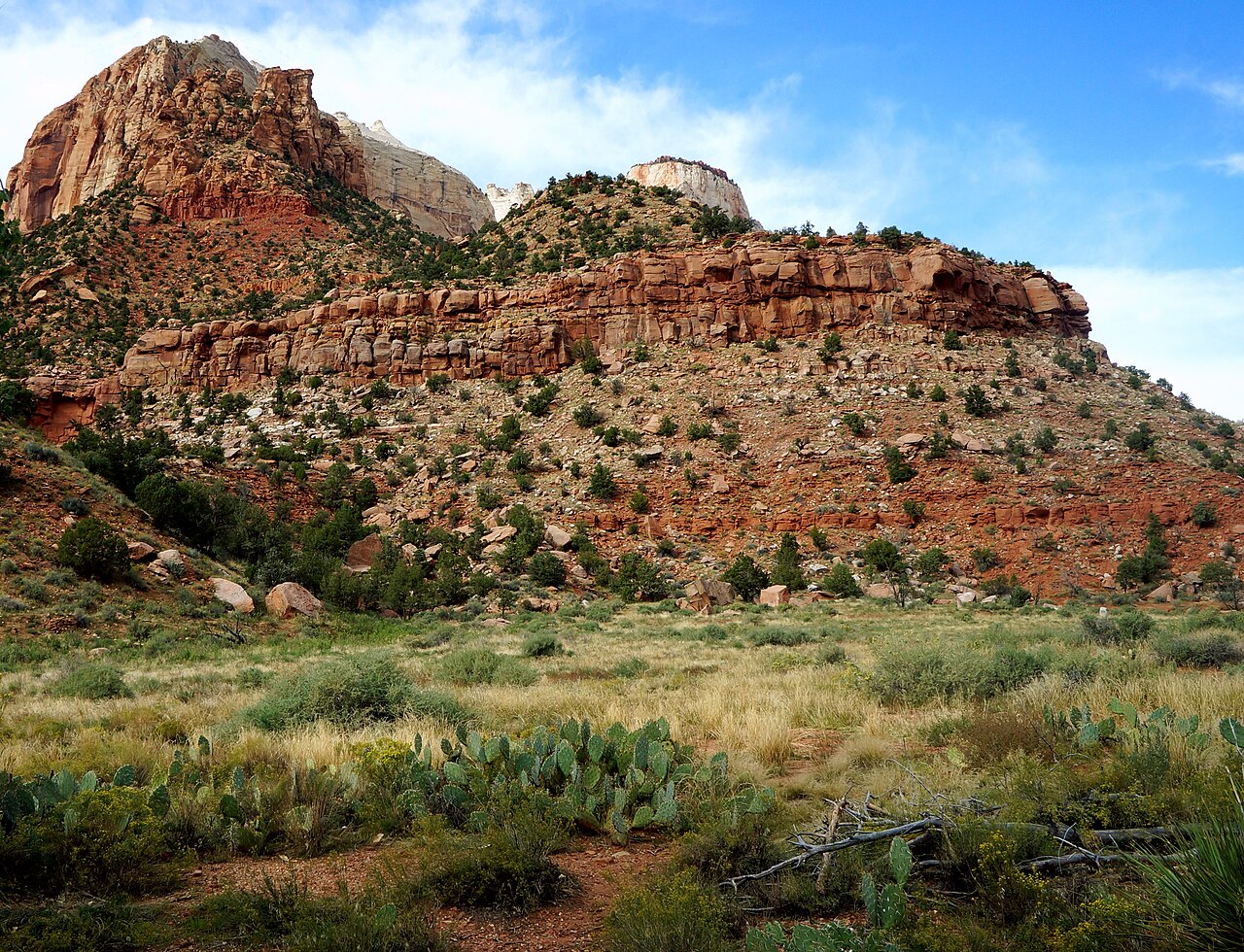
The convergence of three distinct geographic provinces within Zion's borders creates an ecological mosaic that supports an unusual concentration of wildlife. The park is divided into four recognized life zones—desert, riparian, woodland, and coniferous forest—each harboring its own assemblage of species. The riparian zone along the Virgin River corridor provides critical water-dependent habitat, while the coniferous forests at higher elevations offer cooler, moister conditions.
Human History & the Name That Stuck
Human presence in the Zion region stretches back roughly 8,000 years, beginning with small family groups of Native Americans. The park's modern name carries a complicated history. As historian Hal Rothman noted, the change reflected a prevailing bias: many assumed that Spanish or Indigenous names would discourage tourists who found them difficult to pronounce.
Conservation Mandate & Modern Stewardship
The founding document of Zion National Park lays out a four-part mission: preserving the dramatic geology and labyrinth of Navajo sandstone canyons shaped by extraordinary erosion at the Colorado Plateau's margin; safeguarding the park's wilderness character and its wild, scenic river values; protecting evidence of human history embedded in the landscape; and providing for scientific research alongside public enjoyment and enlightenment. To balance access with preservation, the six-mile road into Zion Canyon is served by a free shuttle system from early April through late October, reducing vehicle congestion in the narrow passage that ends at the Temple of Sinawava, named for the Paiute coyote deity. Beyond the canyon's mouth lies The Narrows, a gorge 20 feet wide but towering up to 2,000 feet.
Common Misconceptions (Editorial)
Some people may think the name “Zion” has ancient Native American origins, but in fact it was a term used by Mormons and was adopted for the park to appeal to an ethnocentric audience, as Spanish and Indian names were thought to deter visitors. Another misconception is that the park’s diverse life zones are unique to Utah, when they actually result from its location at the junction of the Colorado Plateau, Great Basin, and Mojave Desert regions.
Why It Matters (Editorial)
Zion National Park endures as a place where natural beauty and human history converge, with evidence of Native American habitation stretching back 8,000 years. Its unique position at the crossroads of three distinct geological regions not only creates stunning landscapes but also preserves a living record of how diverse ecosystems can thrive in one protected area, reminding us of the importance of safeguarding such irreplaceable places for future generations.
Gallery
Frequently Asked Questions
Where is Zion National Park located?
Zion sits in southwestern Utah just outside the small town of Springdale. It occupies a rare crossroads where the Colorado Plateau, Great Basin, and Mojave Desert regions all converge.
What makes Zion's geology stand out?
The park is famous for its towering sandstone cliffs and the deep slot of Zion Canyon, carved by the Virgin River over millions of years. Because it sits at the intersection of three distinct geographic provinces, it supports an unusually wide range of plant and animal communities.
How many visitors does Zion attract each year?
Zion is among the most-visited parks in the country, with roughly five million people expected to pass through in 2025. The park's narrow canyon and limited trail capacity make crowd management a constant logistical challenge.
More in US National Parks 1-22
Spotted an error? Know more?
This is a living reference — every entry is fact-audited, and reader corrections feed straight into our audit queue. Suggest an edit · See this site's audit record